READ, GATHER
INFORMATION,
Info about Generation
Generation Z – Replacing the Millennials
The Millennial, also known as
Generation Y, are often described as a generation of sociable, multi-tasking
and confident people. They are team-oriented, have an advanced use of technology
and they are one of the four work forces that collide together with their
different ideas, values and behaviors.
There have been a number of
labels used to describe different generations based on collections of loose
generalizations. According to some authors, the Traditionalists were born in
the 20s up to the early 40s, and some of their characteristics include a
tendency towards conformity, self-sacrifice, patience and loyalty.
The Baby Boomers, born in the
mid-40s up to the early 60s are described as idealists, eager to learn, keen on
personal growth, and they tend to be over-achievers.
Generation X, born between the
mid-60s and mid-80s, are thought to be more informal, independent and very
interested in technology. This generation has been criticised for their apathy and
lack of sense of responsibility.
The Millennials were born
between 1985 and 1995/2000. Some authors are now referring to the rise of
Generation Z, a rather unimaginative term for those born after 1995.
Considering the different depictions of the Millennials and Generation Z, the
line which divides them is blurry at best.
The Millennials have been in
the spotlight of a large number of studies focused on management, marketing and
work relationships. They are the first generation born in a world in which
access to digital technologies and the internet plays a significant role
in providing resources and opportunities.
Some authors consider Gen Z as
raised in an environment of uncertainty driven by recession and new
security measures brought in after 9/11. They are situated in a global world
where differences of race, class and gender are shaped and challenged by strong
accounts of inclusion and rapid flows of people, information, technologies, and
financial resources.
Naturally, these children are
the most technologically advanced generation. They are often intuitive users of
digital technologies for communication, multimedia and design and their world
is intrinsically connected to the use of the Internet through
computers and mobile phones.
Some authors refer to
Generation Z as “digital natives”, characterised by their heavy use of social
media, their entrepreneurial, multitasking and community
oriented spirit. They are used to instantaneous communication, to greater use
of messaging than audio conversations and to dependence on technology for their
social interactions and contact with the outside world.
The challenges they will face
as the latest generation of young people are yet to be mapped out. Some
enthusiasts consider this generation to have many positive traits while
sceptics think that they are negatively influenced by an overuse of technology.
References
Clare, C. (2009) Generational Differences: Turning Challenges into Opportunities. Journal of Property Management, Vol. 74, No. 5, September/October.
Payment, M. (2008) Millenials: The Emerging Work Force. Career Planning and Adult Development Journal , Vol. 24, No. 3 , Fall.
References
Clare, C. (2009) Generational Differences: Turning Challenges into Opportunities. Journal of Property Management, Vol. 74, No. 5, September/October.
Payment, M. (2008) Millenials: The Emerging Work Force. Career Planning and Adult Development Journal , Vol. 24, No. 3 , Fall.
Meet Generation Z
At a Glance
● Gen Zs were born in the early to mid
1990s though 2010.
● The Internet, technology, war,
terrorism, the recession, and social media shape their lives.
● Gen Zs are tech savvy.
● Social media has connected them
globally to their peers.
● The internet has connection them
globally to knowledge.
● They are bright, and their IQ scores
are higher than previous generations.
● They are flexible in nature and
expect flexibility from institutions.
● They are accepting of diverse
populations.
Social Media
●
Gen Zs are always connected in a seamless
cloud-based world of friends, data, and entertainment.
●
Social media and instant contact is very
important to them.
●
Waiting for emails has never been part of the
Gen Z world.
●
Social media has made it easy for them to take
up social causes. They look for careers that will help the world.
●
Social media has led to a sense of social
justice, especially when they are bombarded with images and news of war,
recession, and climate change.
●
They love to “crowd source” for solutions on
social media.
Gadgets and Tools
●
Gen Z has become a generation of content
creators and producers with today’s web apps and digital tools.
●
They consume most of their media on mobile
devices.
●
Gen Zs prefer media that they can interact with
as opposed to passive TV or print texts.
●
They want gadgets that are multi-functional
(take video, reach the internet, play music).
●
They prefer websites, apps, and social media
outlets that let multiple features like posting pictures, videos, text,
comments, rate things, etc.
In the World of Commerce
●
Gen Zs are not brand loyal. They will mix and
match everything from clothes brands to philosophies.
●
Gen Z teens and preteens have the biggest impact
on the economy for that age group ever.
Their social media “likes,” product ratings, forum feedback has
companies and marketers scrambling.
●
They have spend more on the economy than any
generation before them at their age.
This is driven by gift cards like iTunes cards that are spent online.
●
They look for alternative ways to enter their
professions as college costs soar.
●
Gen Zs are more concerned about purchasing
environmentally safe products than the generations before them.
Socialization
●
Gen Zs are always connected in a near seamless
cloud-based world of friends, data, and entertainment.
●
Gen Zs expect to be able to work, learn, and
study wherever and whenever the what.
●
Their day is filled with images and news from
around the world, often describing terrorism, the world recession, and climate
change.
●
Due to the access to a constant barrage of
global news, Gen Zs are more socially responsible than the generations before
them.
●
They will take their gaming lifestyle with them
into adulthood.
●
They are described as growing up too fast, and
also not at all! They grow up fast
because of their exposure to so much disturbing news, but they will remain
gamers for a long time and want school and work to be fun.
●
Gen Zs are closer to their parents than the
previous generation because they watch the same TV shows, listen to the same
music, and play the same video games.
●
They have less need for direction because they
have access to all the answers, especially for things they are passionate
about.
●
Parents tend to build too much easy-to-get
self-esteem in their Gen Z kids.
●
High self-esteem plus easy-to-use digital tools
lead the Gen Zs to think they can do anything.
●
Gen Zs completely take for granted the amount of
data that they have access to and the speed in which they can access it. It’s a natural part of their lives.
●
Gen Zs are the most home-schooled generation in
the modern public school era. Home
schooling has made this group closer to their families.
●
Gen Zs have become emotionally attached to their
digital habits, which keep them online even longer. (Internet addiction will be
classified as a disorder by the Diagnostic and Statistical Manual of Mental Disorders in 2013.)
Future Professionals
●
65% of grade school students will work in jobs
that don’t exist today.
●
The biggest concern that Gen Zs voice (nearly
80%) is if they will have a job when they graduate.
●
Gen Zs want to enter the professional and
technical "idea economy" while the largest growth is in the service
economy.
●
They will be a different kind of professional,
not a 40-hour week cube worker, but freelance contractors who solves problems
with a particular expertise.
●
They are wary of long-term plans. They are not
planning on 30 year careers at one place.
●
Gen Zs have the personalities of workers who
back their bosses, but they will look for jobs where bosses "have their
backs."
●
Flexibility is important to them. Employers
worry that they are so flexible that retention may be an issue.
●
Gen Zs will not be as loyal to companies as
generations before them. They’ve
witnessed the lack of corporate loyalty when their own parents and older
siblings lost their jobs during the recession.
●
They expect quick results (promotions), and will
keep their resumes handy and up-to-date.
●
The recession will have them competing for jobs
at all levels with much older adults.
●
The Internet economy, cloud tools, and
crowd-sourced funding have allowed Gen Zs to become successful online
entrepreneurs, from selling their original music, video, and text content to
establishing startups like www.dispatch.io
The Generation Z Learner
●
Because Gen Z is from the digital generation,
many teachers incorrectly assume that ALL are “digital citizens” and are aware
of online hazards, managing personal information online, guarding intellectual
property, tech savvy, and so on.
●
Their brains are wired for the fast delivery of
content, data, and images from computers, videogames, and the Internet.
●
Educators are increasingly bringing game design
and game theory into education with continuous grading, continuous feedback,
clear goals, rewards, challenges, etc.
●
Gen Zs are driven by graphics in learning. The
comprehend complex graphics better than previous generations.
●
They very much dislike lecture-test classroom.
●
Gen Zs are constant multi-taskers.
●
The like to have have random access to
information, love to explore using their own routes, need graphics, want it
fun, and instant feedback.
●
Their digital world can be customized. They want their education customized, too.
●
Researchers says Gen Zs are smart kids and will
be smart adults who can deal with a lot of data and make decisions.
●
The classroom challenge is that students are
digital and many teachers are analog.
●
Old school teachers tend to not appreciate Gen Z
digital skills or how their brains are wired.
●
Old school teachers are not prepared to teach
the “future content” that Gen Zs love. Future content includes software,
hardware, digital, technological, social media.
●
Teachers are at a disadvantage because they
aren't as comfortable with technology as their students are.
●
Access to so much data makes Gen Zs go for the
quick answer rather than longer problem solving.
●
Gen Zs often do not take the time to determine
the reliability of information.
●
They must be taught to discover, curate, and
manage information. This will be
essential in the “idea economy” of the knowledge era.
●
Fluid Intelligence (problem solving) on IQ
scores has been on the rise since the 90s.
Game designers like to take credit because their multi-player,
problem-based games went viral at the same time.
●
Creating “cheats” and hacking games are a sign
of brilliance in the Gen Z world. This
doesn’t reconcile with their education world. Teachers don’t reward short cuts.
●
Gen Zs become incredibly more knowledgeable
about their passions than the generations before them because they have access
to so much more information, and they can network with peers across the globe
who have the same interests.
●
43% prefer the digital learning and find it
easiest to learn from the Internet.
●
Parents are taking more responsibility in their
children’s education, and they want options and choices.
●
The gap between what schools are teaching and
the needed skills of the future is widening.
●
The Gen Z world is increasing collaborative, and
their school projects need to reflect that.
●
Gen Z students need to be challenged with
project-based, active learning to meet the demands of the future.
Dangers for the Gen Zs
●
Recession, war, energy crisis, and climate
change leave them in a world filled with uncertainties.
●
Gen Zs are described as too dependent on
technology.
●
Cyber crimes like bullying, identity theft,
intellectual property theft are a dangerous frontier that are still not policed
or regulated very well.
●
The cost of higher education is becoming
prohibitive.
●
Gen Zs need niche skills, but one-size-fits-all
education is slow to catch up.
●
Some Gen Zs are do NOT have access to the
digital world. Socioeconomic position and ZIP code play a large part in this.
●
Gen Zs face health problems associated with
sedentary lifestyles.
●
Other generations must deal with Gen Z’s’
changing (or lack of) interpersonal skills that are driven by advancing
technologies.
Resources
Born Digital: Understanding the First Generation of
Digital Natives by John Palfrey and Urs Gasser
Getting Smart: How Digital Learning Is Changing the World
by Tom Vander Ark
Gen Z: Digital in Their DNA from JWT
Intelligence
Consumers of Tomorrow: Insights and Observations About
Generation Z from Grail Research
Employees 3.0: Managing Generation Z from Edge
Online
Seven Skills
Needed for the Future featuring Dr. Tony Wagner
Gen Z & What It Means in Your Classroom by
Sarah Fudin
Gen Z: The Age
of the Curator featuring Katherine Savitt
Z Future Is Here! by Adam Renfro
The Children of Cyberspace: Old Fogies by Their 20s
by Brad Stone
Generation Z: The Biggest Cheaters Since Homer
by Adam Renfro
Internet 2011 in Numbers by Pingdom
A
Day in the Internet Infographic
Children of the Tech Revolution by Lucinda Schmidt and
Peter Hawkins
What Do Teens Think
of Emails Infographic
Generation Text:
Teens and Their Texting Habits Infographic
Teens Cruel World of
Social Networking Infographic
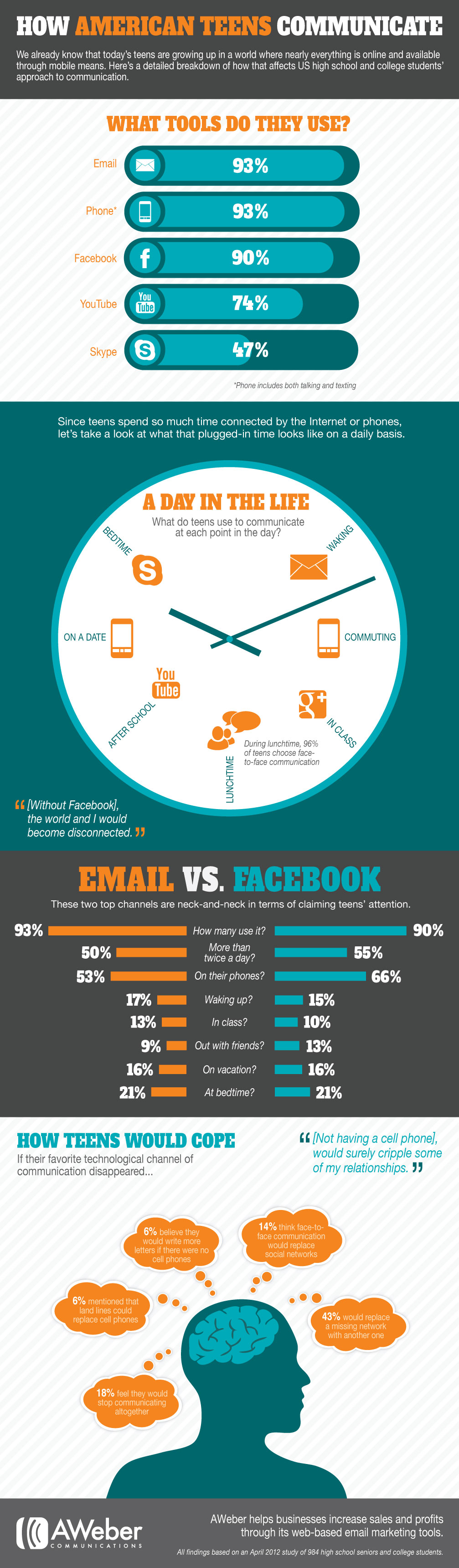
How American Teens
Communicate Infographic
Born Into Tech:
Generation Z Infographic
Others Information
http://www.industrytap.com/generation-alpha-digital-natives-become-greatest-generation/22447
http://www.industrytap.com/generation-alpha-digital-natives-become-greatest-generation/22447
BOOK
Generation Z: Their Voices, Their Lives
By Chloe Combi
Foreword
The teenager and children of Generation Z were born between
1995 and 2001. They are the first generation who have never saved their pocket
money to buy an album. They are astonished when you tell them there used to be
only four channels on TV.
They… .”
Online PDF Information
Designing Recruitment, Selection & Talent Management
Model tailored to meet UNJSPF's Business Development Needs.PDF



没有评论:
发表评论